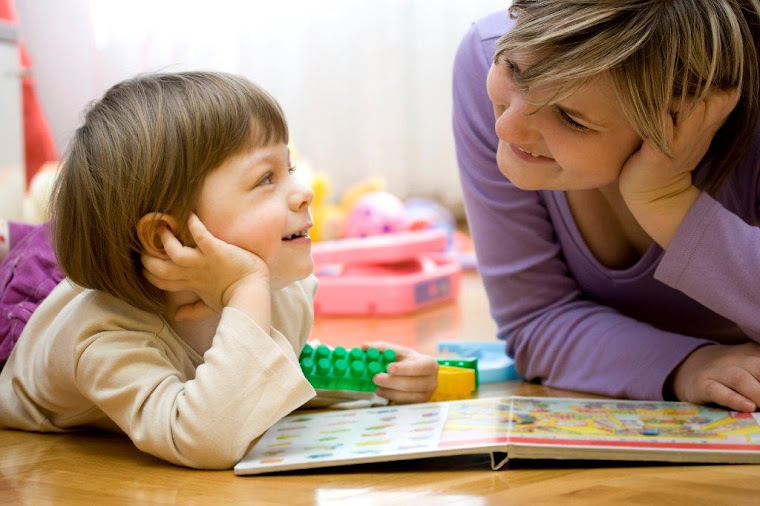
 At its most simple, it is raising a child to adulthood.
In more complex definitions there is an attempt to distinguish between the basics of rearing a child, and parenting which is about socialising a child to fit in with their culture and about outcomes like providing the care and nurture needed to produce happy, healthy adults who are able to fulfill their potential.
One of the images I have of parenting is that it is like a dance where the parent and the child, over time, learn to move well together, growing to understand each other, with complimentary roles, and gradually learning to be independent of each other and able to dance separately and in their own style. This is an image of parenting as a process which changes and develops with time and experience. As I often say, new parents all wear L plates and need time to find what works for them and their children.
There are different styles of parenting and these reflect different cultural practices and personalities (or adherence to different parenting gurus!), but most of us would see extremes of style eg very punitive, smothering, 'helicopter' or complete lack of limits as unlikely to produce an adult who is able to act with maturity.
I was reminded during the week of a quotation circulating on Facebook "the way we talk to our children becomes their inner voice", attributed to Peggy O'Mara, but very much a summary of one of the tenets of Transactional Analysis in the 80's and numerous other psychological theorists. Think of all those sayings that lurk around our memories and guide our habits, our actions, or our rebellions. It was a matter of pride (when I reported to my mother) that when I had clothing cut off me following an accident that I had been wearing a new shirt and bra! Not all those circulating messages are that trivial, and many can cause great emotional pain because we don't realise that as adults we don't have to believe them or act on them, but can choose for ourselves.
I am inclined to believe that it is the children who have suffered from the extremes of parenting who are those who are most likely to be bullies, or to be the targets of bullies. Children who learn in the parenting dance that they are responsible for their own actions are those who I think are less likely to bully and are more resilient when others try to bully them.
I think the very punitive, the smothering and the helicopter styles of parenting are all different aspects of control. Whether from fear, from learned behaviour, or even from the best of intentions, these parents are not able to let go and dance with their children, instead they try the steps but don't hear the music. Right from the start the needs, beliefs and practices of the parents are imposed on their children and often many of the everyday concerns of life become battlegrounds: feeding, sleeping, toilet training, clothing, play activities, friendships, school performance....
For all parents it is hard to stand by and see their children make mistakes, to try and fail, to fall, have cuts and scratches and sometimes, unfortunately worse injuries, to be dirty. But as parents we need:
- to teach children to face challenges and encourage them when they don't achieve what they (not we) want;
- to patch up the wounds and reassure them that there are other things they can do;
- to help them set goals that they have the ability to reach;
- to teach them that substance and authenticity are more important than appearance;
- to help them to understand that even when their behaviour or lack of success may disappoint us, we still love them.
