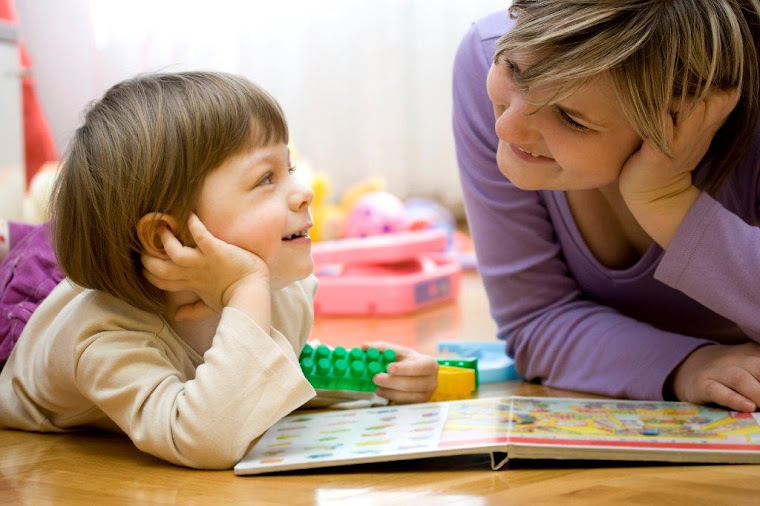
With a new baby arriving in my extended family yesterday I've been having lovely baby thoughts! I must admit I really love new babies: their little snuffling noises, their amazingly mobile faces, often contorted in pain as they deal with unaccustomed feelings in their tummies, their bleary slightly drunken look after being fed and their utter helplessness. This time we welcome a little girl, and of course congratulate the parents on their first born child. And great grandmother has yet another little one to love.
The birth of a baby is a time of great excitement for a family. A first born is a great thrill, of course, but each one is special, especially as they are introduced, with varying reactions, to their older siblings. I was watching a fascinating documentary on SBS about marriage in 20th Century Britain, and one poor farmer's wife had 16 children, and although she wasn't thrilled as her family got larger, and they often struggled to manage, she and her husband had a rule never to discuss adult things in front of the children so as not to worry them. The children were put to bed by 8.30, and the couple would sit either side of the fire and talk over the day and all their concerns, frustrations, lost dreams and hopes for the future. She wasn't a highly educated, well read woman, but she had found a simple and highly effective way to raise her children: ensure that they were loved and cared for to the best of both parents abilities and to maintain good communication with her husband.
Thinking about this, I can't help but wonder whether we make the whole notion of parenting far too hard. The growth of psychology has given us all sorts of information and theories about child development which are valuable, but alongside this has become a growing pressure to raise the perfect child. Popular interpretation of Freud's work led to mothers being blamed for all the difficulties their children were having , and over the years this has extended to both parents being blamed. The media report defence barristers detailing the terrible childhood their clients have had in an effort to explain that offences were not really the fault of their clients. So how can the average parent react but to try to be the best possible parent. But whose theory should they follow? And what happens if the advice doesn't seem to work? Anxiety, frustration and guilt, and possibly more deeper, complex emotions.
For years experts argued about nature and nurture... is it all in our genes or is it about how we are raised, before coming to the very sensible conclusion that it is a complex mixture of both. There are obvious things that our children inherit: gender, hair and eye colour, skin tones, build, but there are also things like personality that develop and change over time, but seem also to have some genetic aspects. I remember someone once saying to me that 'everything the first child is, the second one isn't, and vice versa' which at lest relieved me of the pressure of worrying about why they were different and just accepting that they were, and trying to find different ways of dealing with them.
One thing I do know is that every child is a unique human being, and that even with identical twins, there are some aspects of difference, with often one being more dominant than the other. As I have said before, the search for a perfect parenting style and guru is fruitless. Parents need to work on what suits their own personalities, and learn to really know their children, responding to each one in a way that works for that child. That doesn't mean that there are no general household rules eg about rough or bullying behaviour, manners and general ways of interacting, mutual respect etc. And it does mean modelling these rules and respecting each other as members of the family, and maintaining good communication between all family members. It also means being sure to have time that is just for the adults, to discuss adult things, sort out their issues in private and having time to enjoy each other as partners in life, not only as parents, in other words parenting like that 20th Century farming couple.
Links:
Love and Marriage, a Twentieth Century Romance. Ep. 1, SBS Available until 14 June
The Dance of Parenthood A very popular post from August 2012.
Showing posts with label parenting. Show all posts
Tuesday, 11 June 2013
Thursday, 18 October 2012
When kids are sick...
No, this is not a medical column, and the following are general comments not medical advice. And it is not talking about children who suffer from life threatening conditions, just every day sorts of sickness like colds and tummy upsets.
When I was young, as all great stories start, parents were generally unsophisticated in their medical knowledge. There was no internet, some families possessed books like an 'encyclopedia of family health' but many people relied on home remedies, old wives' tales and common sense. Many children suffered severe illnesses like cancer and heart disease but the medical and pharmaceutical knowledge of the time meant that their lives were often shortened and they lived as invalids. So in many ways, they were the bad old days.
Today with improved knowledge and communication we seem to have become much more health aware.
As parents, nannies and childcare workers we do all in our power to foster children's health by
BUT
When our children our sick, often our common sense flies out the window.
Now there can be many factors behind this:
What I am saying is to keep a sense of perspective. We are comfortable to put a sticking plaster on a child with a scrape on the knee, give a kiss and say 'all better now', yet will get medical attention if there is a lot of bleeding or it hurts a child to move a limb. The number of parents who now attend paediatric first aid courses is partly responsible for this commonsense approach. In the same way we need to learn to distinguish between minor illnesses that need a quiet time on the sofa in front of TV and those that are serious. That may require using your doctor and maternal and child health nurses to help you gain confidence in your judgement. I would also recommed reading and perhaps copying for reference this excellent article by Professor Frank Oberklaid and Doctor Leah Kaminsky.
Over the top reactions to children who feel unwell may result in children learning to use illness as an attention seeking device. This can mean that attendance at kindergarten or school is disrupted unnecessarily, and the development of unhealthy attitudes to sickness. We all have times when we are unwell and need a little extra care and comfort, but some people have learnt to manipulate others through their sickness. When children are unwell stay calm, reassure the child and provide toys, books and games to help pass the time.
When I was young, as all great stories start, parents were generally unsophisticated in their medical knowledge. There was no internet, some families possessed books like an 'encyclopedia of family health' but many people relied on home remedies, old wives' tales and common sense. Many children suffered severe illnesses like cancer and heart disease but the medical and pharmaceutical knowledge of the time meant that their lives were often shortened and they lived as invalids. So in many ways, they were the bad old days.
Today with improved knowledge and communication we seem to have become much more health aware.
As parents, nannies and childcare workers we do all in our power to foster children's health by
- ensuring our children receive the full program of immunisations so that the old childhood illnesses like diphtheria, polio, mumps etc are no longer as prevalent in the community
- fostering healthy eating
- encouraging exercise
- building mental health and resilience
- being aware of stages of development and responding when there are difficulties
BUT
When our children our sick, often our common sense flies out the window.
- Baby has a sniffle
- Littlie has diarrhoea or vomits
- Munchkin has a temperature
Now there can be many factors behind this:
- we don't want our little one to suffer or to be out of sorts
- we are also fearful this might be the start of something worse
- we are frustrated because a sick child means someone may have to stay home from work to care for the child, or emergency care arrangements made
- we may feel guilty that somehow we haven't taken good enough care of our child
- we are still learning what is normal for children.
What I am saying is to keep a sense of perspective. We are comfortable to put a sticking plaster on a child with a scrape on the knee, give a kiss and say 'all better now', yet will get medical attention if there is a lot of bleeding or it hurts a child to move a limb. The number of parents who now attend paediatric first aid courses is partly responsible for this commonsense approach. In the same way we need to learn to distinguish between minor illnesses that need a quiet time on the sofa in front of TV and those that are serious. That may require using your doctor and maternal and child health nurses to help you gain confidence in your judgement. I would also recommed reading and perhaps copying for reference this excellent article by Professor Frank Oberklaid and Doctor Leah Kaminsky.
Over the top reactions to children who feel unwell may result in children learning to use illness as an attention seeking device. This can mean that attendance at kindergarten or school is disrupted unnecessarily, and the development of unhealthy attitudes to sickness. We all have times when we are unwell and need a little extra care and comfort, but some people have learnt to manipulate others through their sickness. When children are unwell stay calm, reassure the child and provide toys, books and games to help pass the time.
Sunday, 5 August 2012
The dance of parenthood
What is parenting?
At its most simple, it is raising a child to adulthood.
In more complex definitions there is an attempt to distinguish between the basics of rearing a child, and parenting which is about socialising a child to fit in with their culture and about outcomes like providing the care and nurture needed to produce happy, healthy adults who are able to fulfill their potential.
One of the images I have of parenting is that it is like a dance where the parent and the child, over time, learn to move well together, growing to understand each other, with complimentary roles, and gradually learning to be independent of each other and able to dance separately and in their own style. This is an image of parenting as a process which changes and develops with time and experience. As I often say, new parents all wear L plates and need time to find what works for them and their children.
There are different styles of parenting and these reflect different cultural practices and personalities (or adherence to different parenting gurus!), but most of us would see extremes of style eg very punitive, smothering, 'helicopter' or complete lack of limits as unlikely to produce an adult who is able to act with maturity.
I was reminded during the week of a quotation circulating on Facebook "the way we talk to our children becomes their inner voice", attributed to Peggy O'Mara, but very much a summary of one of the tenets of Transactional Analysis in the 80's and numerous other psychological theorists. Think of all those sayings that lurk around our memories and guide our habits, our actions, or our rebellions. It was a matter of pride (when I reported to my mother) that when I had clothing cut off me following an accident that I had been wearing a new shirt and bra! Not all those circulating messages are that trivial, and many can cause great emotional pain because we don't realise that as adults we don't have to believe them or act on them, but can choose for ourselves.
I am inclined to believe that it is the children who have suffered from the extremes of parenting who are those who are most likely to be bullies, or to be the targets of bullies. Children who learn in the parenting dance that they are responsible for their own actions are those who I think are less likely to bully and are more resilient when others try to bully them.
I think the very punitive, the smothering and the helicopter styles of parenting are all different aspects of control. Whether from fear, from learned behaviour, or even from the best of intentions, these parents are not able to let go and dance with their children, instead they try the steps but don't hear the music. Right from the start the needs, beliefs and practices of the parents are imposed on their children and often many of the everyday concerns of life become battlegrounds: feeding, sleeping, toilet training, clothing, play activities, friendships, school performance....
For all parents it is hard to stand by and see their children make mistakes, to try and fail, to fall, have cuts and scratches and sometimes, unfortunately worse injuries, to be dirty. But as parents we need:
At its most simple, it is raising a child to adulthood.In more complex definitions there is an attempt to distinguish between the basics of rearing a child, and parenting which is about socialising a child to fit in with their culture and about outcomes like providing the care and nurture needed to produce happy, healthy adults who are able to fulfill their potential.
One of the images I have of parenting is that it is like a dance where the parent and the child, over time, learn to move well together, growing to understand each other, with complimentary roles, and gradually learning to be independent of each other and able to dance separately and in their own style. This is an image of parenting as a process which changes and develops with time and experience. As I often say, new parents all wear L plates and need time to find what works for them and their children.
There are different styles of parenting and these reflect different cultural practices and personalities (or adherence to different parenting gurus!), but most of us would see extremes of style eg very punitive, smothering, 'helicopter' or complete lack of limits as unlikely to produce an adult who is able to act with maturity.
I was reminded during the week of a quotation circulating on Facebook "the way we talk to our children becomes their inner voice", attributed to Peggy O'Mara, but very much a summary of one of the tenets of Transactional Analysis in the 80's and numerous other psychological theorists. Think of all those sayings that lurk around our memories and guide our habits, our actions, or our rebellions. It was a matter of pride (when I reported to my mother) that when I had clothing cut off me following an accident that I had been wearing a new shirt and bra! Not all those circulating messages are that trivial, and many can cause great emotional pain because we don't realise that as adults we don't have to believe them or act on them, but can choose for ourselves.
I am inclined to believe that it is the children who have suffered from the extremes of parenting who are those who are most likely to be bullies, or to be the targets of bullies. Children who learn in the parenting dance that they are responsible for their own actions are those who I think are less likely to bully and are more resilient when others try to bully them.
I think the very punitive, the smothering and the helicopter styles of parenting are all different aspects of control. Whether from fear, from learned behaviour, or even from the best of intentions, these parents are not able to let go and dance with their children, instead they try the steps but don't hear the music. Right from the start the needs, beliefs and practices of the parents are imposed on their children and often many of the everyday concerns of life become battlegrounds: feeding, sleeping, toilet training, clothing, play activities, friendships, school performance....
For all parents it is hard to stand by and see their children make mistakes, to try and fail, to fall, have cuts and scratches and sometimes, unfortunately worse injuries, to be dirty. But as parents we need:
- to teach children to face challenges and encourage them when they don't achieve what they (not we) want;
- to patch up the wounds and reassure them that there are other things they can do;
- to help them set goals that they have the ability to reach;
- to teach them that substance and authenticity are more important than appearance;
- to help them to understand that even when their behaviour or lack of success may disappoint us, we still love them.
Monday, 2 July 2012
Nannies - they just play with kids!
I have often heard people say that nannies don't really work, they just play with kids. A double put down, both of nannies and of the importance of play.
In earlier posts, I have made clear my view that good, professional nannies work hard. Their role is diverse as they care for children, guide their development and behaviour, keep them 'fed and watered' and give them emotional security in the absence of their parents.
Today though, I want to look at the other area: 'play'.
The Oxford Dictionary Online defines the verb to play as to 'engage in activity for enjoyment or recreation rather than a serious or practical purpose.' As early childhood workers though, we know that for children, play is far more than this. As Jean Piaget said, 'Play is the work of childhood.'
It is through play that children learn. This is recognised as by the central importance of play in the Early Years Learning Framework.
A baby is playing with a rattle in her highchair drops the rattle and learns:
An infant is painting a picture. His red paint line goes over the blue one and a different colour is seen. He learns the outcome of mixing pigments.
A child is balancing on a log with a parent's steadying hand and lets go. She teeters but maintains balance, learning the use of muscles, eyes and vestibular organ while doing so. Edges along the log, nearly slips but is steadied by the parent....still learning all the skills required for balance, learning again the reassurance of a parent's presence and the joy of being able to do things herself.
One big boy and one little girl on a see-saw...learn informally about forces and physics without knowing, as they do when they learn to 'work' the swing by themselves.
During these early years, play is the means of learning about themselves and their physical and social environments. It is for this reason that children need a range of play experiences. Just as we give babies toys with different textures and colours, so we need to give children indoor and outdoor experiences, alone and with others, with a range of substances and with some freedom to use materials unconventionally and creatively. Experiences need to grow with the child so that they gradually learn more complex skills and face new challenges. Thus the body and mind are prepared for later more formal learning activities, and more organised play.
Play, however, does not end with childhood, but it does change form and starts to align more with the Oxford Dictionary definition. Adult play is often in the form of hobbies, catching up with friends, outdoor activities like jogging, cycling, camping and bushwalking, although I hesitate to include sporting activities that are more competitive in nature.
Playfulness too, is the source of much fun and creativity. The art of Mirka Mora and Michael Leunig demonstrate this combination. Word plays and humour, particularly that which reflects joyfully on the quirks of human nature rather than that with a more political intent are also examples of playfulness. And who does not enjoy a gathering of friends and family overflowing with love and good humour.
The 'Eight Hour Movement' of the Nineteenth Century was about what is now known as work-life balance: eight hours work, eight hours rest and eight hours recreation. That is still a good rule!
So yes, nannies do play with children, but in that process are preparing them for life.
For those looking to further explore play, there are many excellent websites relating to children.
Among others I would suggest;
Let the Children Play
Free Range Kids
Childhood 101
DEEWR Early Years Framework
Australian Children's Education and Care Quality Authority
In earlier posts, I have made clear my view that good, professional nannies work hard. Their role is diverse as they care for children, guide their development and behaviour, keep them 'fed and watered' and give them emotional security in the absence of their parents.
Today though, I want to look at the other area: 'play'.
The Oxford Dictionary Online defines the verb to play as to 'engage in activity for enjoyment or recreation rather than a serious or practical purpose.' As early childhood workers though, we know that for children, play is far more than this. As Jean Piaget said, 'Play is the work of childhood.'
It is through play that children learn. This is recognised as by the central importance of play in the Early Years Learning Framework.
A baby is playing with a rattle in her highchair drops the rattle and learns:
- about her physical world: gravity, spatial awareness (up and down), sound.
- about her social world: consequences (frustration with no toy), relationships when someone picks up the toy, fun (when dropping the rattle becomes a game with the person picking it up)
A child is balancing on a log with a parent's steadying hand and lets go. She teeters but maintains balance, learning the use of muscles, eyes and vestibular organ while doing so. Edges along the log, nearly slips but is steadied by the parent....still learning all the skills required for balance, learning again the reassurance of a parent's presence and the joy of being able to do things herself.
One big boy and one little girl on a see-saw...learn informally about forces and physics without knowing, as they do when they learn to 'work' the swing by themselves.
During these early years, play is the means of learning about themselves and their physical and social environments. It is for this reason that children need a range of play experiences. Just as we give babies toys with different textures and colours, so we need to give children indoor and outdoor experiences, alone and with others, with a range of substances and with some freedom to use materials unconventionally and creatively. Experiences need to grow with the child so that they gradually learn more complex skills and face new challenges. Thus the body and mind are prepared for later more formal learning activities, and more organised play.
Play, however, does not end with childhood, but it does change form and starts to align more with the Oxford Dictionary definition. Adult play is often in the form of hobbies, catching up with friends, outdoor activities like jogging, cycling, camping and bushwalking, although I hesitate to include sporting activities that are more competitive in nature.
Playfulness too, is the source of much fun and creativity. The art of Mirka Mora and Michael Leunig demonstrate this combination. Word plays and humour, particularly that which reflects joyfully on the quirks of human nature rather than that with a more political intent are also examples of playfulness. And who does not enjoy a gathering of friends and family overflowing with love and good humour.
The 'Eight Hour Movement' of the Nineteenth Century was about what is now known as work-life balance: eight hours work, eight hours rest and eight hours recreation. That is still a good rule!
So yes, nannies do play with children, but in that process are preparing them for life.
For those looking to further explore play, there are many excellent websites relating to children.
Among others I would suggest;
Let the Children Play
Free Range Kids
Childhood 101
DEEWR Early Years Framework
Australian Children's Education and Care Quality Authority
Sunday, 24 June 2012
The death of a child
Friday 29th June is Red Nose Day, when we are encouraged to make fools of ourselves for a serious cause. For those of you who don't know, that cause is SIDS (Sudden Infant Death Syndrome), now expanded to include other childhood deaths, as SIDS and Kids.
It seems ages since the day started and when checking, found this year marks the 25th year. In that time, the SIDS and Kids Foundation has
A less tangible benefit of the SIDS and Kids work is that there has been an increased awareness of death in childhood in the community.
As I mentioned in an earlier post, this is probably the greatest fear of any parent. The death of a child is shocking. The funeral of a child is overwhelmingly sad. The absence of a child from the intimate family and friend network is an appalling gap.
There is nothing to say that doesn't sound trite or clichéd. There are limits to the number of casseroles and cakes that a family can eat.
So what can you do?
And in the next few days, if you see a stall for SIDS and Kids, or are approached to buy a red nose or other merchandise, give generously.
It seems ages since the day started and when checking, found this year marks the 25th year. In that time, the SIDS and Kids Foundation has
- raised awareness of SIDS,
- funded extensive research leading to an intensive community and professional education program which has resulted in the marked reduction of SIDS in Australia,
- created a 24/7 National Bereavement Support Line (1300 308 307).
A less tangible benefit of the SIDS and Kids work is that there has been an increased awareness of death in childhood in the community.
As I mentioned in an earlier post, this is probably the greatest fear of any parent. The death of a child is shocking. The funeral of a child is overwhelmingly sad. The absence of a child from the intimate family and friend network is an appalling gap.
There is nothing to say that doesn't sound trite or clichéd. There are limits to the number of casseroles and cakes that a family can eat.
So what can you do?
- Be there, in person and by phone but only for brief calls. Don't avoid the family just because you feel unable to cope: it's ok to say that you don't know what to say. Don't feel you have to be bright and cheerful, just sit quietly and listen. Don't presume to know how someone is feeling: ask. People need space as well as company.
- Mention the child's name when talking. Share any memories you have and ask for the parent's memories. Take copies of any photos you might have. Don't be afraid of tears, and don't disapprove of laughter about happy times.
- Continue to ask the family to social events that you would have invited them to prior to the child's death, suggesting that they need only stay as long as they can manage.
- Remember that any children in the family are also grieving and experiencing a tremendous dislocation. Don't forget to talk to them too, about their brother or sister. Don't smother them with attention/affection, but don't ignore them or think they are too small to notice the change. Even very young babies are sensitive to changes in atmosphere.
- Ask if you can bring a rose, rosemary or some other plant for the family's garden to remember the child, or make a donation in memory of the child to a children's charity.
- Avoid the unhelpful, false hope of comments like 'time heals', 'you'll soon feel better', 'keep busy'. Everyone copes in their own way.
- Many families attend annual memorial services on Red Nose Day, and you can join them to commemorate the children who have died.
And in the next few days, if you see a stall for SIDS and Kids, or are approached to buy a red nose or other merchandise, give generously.
Monday, 4 June 2012
What's a parent worth?
Late last year I was asked to give evidence in a damages case that required me to estimate the financial value of a mother.
Not being an economist, I based my valuation on nanny care costs, plus some additional amounts for household management. It was very much a 'guesstimate' and undoubtedly an underestimate, as I vaguely recall the occasional newspaper story which has come up with an astronomical amount based on the hourly wage rates for all the different aspects of being a parent eg child care, cooking, cleaning, chauffeuring, etc.
The problem with these estimates is that they are an attempt to put a figure on only part of the parenting role. Sometimes there are attempts to add in the value of such roles as counselling and social organisation, but these tend to be in the more 'humorous' articles.
Of course, too, these attempts only consider the economic value of parents, but what are the intangibles of being a parent, or perhaps more accurately, a child's experience of a parent?
Some possibilities might include:
- Love, a bond of mutual care, belonging. Ideally this doesn't require a child to be good, or act in some prescribed manner to be experienced.
- Dependability, the 'being there factor', the backstop. Even when parents feel inadequate, the fact that they don't run away or shirk the issues is something many children value.
- Shared history, a knowledge of shared experiences good and bad, that shape our lives. Outsiders might share some of these, but it is the day to day shared experience, and often little details, that children remember.
But does parenting ever stop? Those of us with elderly parents know that while they may now be increasingly dependent on us to meet a variety of their needs, they are still our parents. When they die, it is these intangibles that we will miss most.
Monday, 9 April 2012
A subject we tend to avoid...
Whether we like it or not, death is very much part of life. Nothing is more certain. The only thing we don't know for sure, is when.
Death of young people is especially heartbreaking. In recent times we have followed the course of Jim Stynes' s illness and death and the outporing of emotion that marked his funeral. On a more personal level, my 32 year old nephew died unexpectedly. With such premature deaths, we mourn them both for their lives and for the life that they haven't yet lived. What might have been.
And parents in particular, find the death of their children something they never want to face. It is the wrong order of theings. And I have heard grandparents say "It should have been me, my life is nearly over anyway." And when a baby or young child dies, no one knows what to say, the grief is raw and affects everyone.
It is hard enough for us to deal with death, especially the death of someone close, without having to explain death to children. Perhaps it was easier in the days when religious belief was widespread, when child mortality was high and people died at home rather than in hospital, but now in the absence of these things we can be left struggling for words.There are now excellent resources to help with the task, and perhaps some of the best advice is to use the non-emotional times to start raising the issues with children eg a dead flower, leaves falling off trees, a dead bird found on a walk.
An on line pamphlet I found particularly helpful is http://www.hospicenet.org/html/talking.html
There is however, no easy answer to this complex issue, because we all bring our own experiences, feelings and attitudes, but we shouldn't ignore it.
Death of young people is especially heartbreaking. In recent times we have followed the course of Jim Stynes' s illness and death and the outporing of emotion that marked his funeral. On a more personal level, my 32 year old nephew died unexpectedly. With such premature deaths, we mourn them both for their lives and for the life that they haven't yet lived. What might have been.
And parents in particular, find the death of their children something they never want to face. It is the wrong order of theings. And I have heard grandparents say "It should have been me, my life is nearly over anyway." And when a baby or young child dies, no one knows what to say, the grief is raw and affects everyone.
It is hard enough for us to deal with death, especially the death of someone close, without having to explain death to children. Perhaps it was easier in the days when religious belief was widespread, when child mortality was high and people died at home rather than in hospital, but now in the absence of these things we can be left struggling for words.There are now excellent resources to help with the task, and perhaps some of the best advice is to use the non-emotional times to start raising the issues with children eg a dead flower, leaves falling off trees, a dead bird found on a walk.
An on line pamphlet I found particularly helpful is http://www.hospicenet.org/html/talking.html
There is however, no easy answer to this complex issue, because we all bring our own experiences, feelings and attitudes, but we shouldn't ignore it.
Tuesday, 3 April 2012
Birthdays
The birthdays in our family seem to cluster together. No sooner have we bought gifts, had the day than the next one is upon us. Then we have a big gap until the start of the next cluster. At least that gives time to save.
But why do we celebrate birthdays? When we are little it is exciting to be another year older, and then there is the transition from youth to adulthood at age 18 when we are allowed to drink, to drive, to vote...That is one worth celebrating.
But when we reach shall I say 'years of discretion' I'm not sure that we like being reminded we are a year older, or not until our 90s, when the countdown starts to 100, often at a time of frailty, and ill health, and not really caring.
So why celebrate the annual milestone?
Part of the reason is obviously about the day being 'special' to that person. Even if thousands of others were born on that day, the day of one's birth is the day that this person with this particular heritage entered the world. So perhaps a birthday is a way of marking the uniqueness of the one being celebrated. (I wonder if twins and other multiple births feel this too? And what about those whose birthdate has never been recorded?)
And we are unique in several ways: our genetic heritage, our position in the family, the mix of social and environmental influences that shape our personalities, our shape and appearance. From what I can understand of genetics, the genetic differences between people are amazingly small, yet for all that we are uniquely ourselves. Surely that is worth celebrating.
But birthday celebrations are also about belonging: to a family , a friendship network, a community. They bring people together not only to mark the occasion for the person, but to mark the importance of this person as a member of the group. There is a need to belong so strong that social isolation is seen as a factor in premature death and mental illness.
I think the lesson for me is to not grumble about being a year older, but to celebrate the fact that I am alive, and that I have a place in my family and network of frineds, and that little community likes to celebrate my membership of it. It's not the cards or gifts or candles on the cake, it is the recognition of the person and the group that is important.
But why do we celebrate birthdays? When we are little it is exciting to be another year older, and then there is the transition from youth to adulthood at age 18 when we are allowed to drink, to drive, to vote...That is one worth celebrating.
But when we reach shall I say 'years of discretion' I'm not sure that we like being reminded we are a year older, or not until our 90s, when the countdown starts to 100, often at a time of frailty, and ill health, and not really caring.
So why celebrate the annual milestone?
Part of the reason is obviously about the day being 'special' to that person. Even if thousands of others were born on that day, the day of one's birth is the day that this person with this particular heritage entered the world. So perhaps a birthday is a way of marking the uniqueness of the one being celebrated. (I wonder if twins and other multiple births feel this too? And what about those whose birthdate has never been recorded?)
And we are unique in several ways: our genetic heritage, our position in the family, the mix of social and environmental influences that shape our personalities, our shape and appearance. From what I can understand of genetics, the genetic differences between people are amazingly small, yet for all that we are uniquely ourselves. Surely that is worth celebrating.
But birthday celebrations are also about belonging: to a family , a friendship network, a community. They bring people together not only to mark the occasion for the person, but to mark the importance of this person as a member of the group. There is a need to belong so strong that social isolation is seen as a factor in premature death and mental illness.
I think the lesson for me is to not grumble about being a year older, but to celebrate the fact that I am alive, and that I have a place in my family and network of frineds, and that little community likes to celebrate my membership of it. It's not the cards or gifts or candles on the cake, it is the recognition of the person and the group that is important.
Thursday, 22 March 2012
Libraries have something for everyone!
I mentioned last time that the first thing I do when I move somewhere new is join the library.
And haven't libraries changed? No longer places of absolute quiet, they buzz with activity.
Information now comes in so many forms that libraries have moved with the times. It is no wonder that computers are now central to storing and making information available. And libraries are no longer confined to set opening hours. I can browse the catalogue of my local library (and the SLV) at home, make my choices, order my books and be notified when they are ready. But more than that, I can have access to an electronic library from my computer as my library subscribes to many on-line resources from encyclopedias to magazines that I can read at home.
Libraries are also changing in function. From being a repository of books to be used and generally lent out, libraries are now involved inpromoting the skills of reading, finding sources of information and making them available to the wider community, promoting book groups which are as much about reading as about social networks, sharing information about community issues and events, hosting writers' festivals and exhibitions, and from the written word have moved into many forms of media: music, film, spoken word. I know how wonderful the Talking Book service is to the visually impaired. And for those whose reading skills are limited, libraries are no longer a closed space, and those who read languages other than English are no longer excluded.
In the last blog I referred to the National Year of Reading. Among the aims of this year is to
promote a reading culture in every home; and to establish a goal for families, of parents and caregivers sharing books with their children every day. So go to your local library, join in the activities an help achieve the goals. And do look at the State Library website: it is a wonderful community resource (http://www.slv.vic.gov.au/). And if you are in the city, a visit to the exhibition Love and Devotion from Persia and Beyond is a magical experience.
I was passing a school recently and there was a sign on the fence about a new buiding: the Learning Resource Centre. I think that means a library, but is an attempt to get beyong the word which is after all derived from the Latin "liber" meaning book. But it seems a pity to lose the connection with this origin. It is comforting and intimate to hold a book in your hand, but an ebook is much easier when I am travelling!
And haven't libraries changed? No longer places of absolute quiet, they buzz with activity.
- reading sessions for pre-schoolers,
- the after school rush when children come in to play games, do their homework and change their books,
- people using computers,
- in some libraries the ability to watch DVDs,
- the quiet circle of people in armchairs reading the daily papers
- and still in the background people searching for books to read at home.
Information now comes in so many forms that libraries have moved with the times. It is no wonder that computers are now central to storing and making information available. And libraries are no longer confined to set opening hours. I can browse the catalogue of my local library (and the SLV) at home, make my choices, order my books and be notified when they are ready. But more than that, I can have access to an electronic library from my computer as my library subscribes to many on-line resources from encyclopedias to magazines that I can read at home.
Libraries are also changing in function. From being a repository of books to be used and generally lent out, libraries are now involved inpromoting the skills of reading, finding sources of information and making them available to the wider community, promoting book groups which are as much about reading as about social networks, sharing information about community issues and events, hosting writers' festivals and exhibitions, and from the written word have moved into many forms of media: music, film, spoken word. I know how wonderful the Talking Book service is to the visually impaired. And for those whose reading skills are limited, libraries are no longer a closed space, and those who read languages other than English are no longer excluded.
In the last blog I referred to the National Year of Reading. Among the aims of this year is to
promote a reading culture in every home; and to establish a goal for families, of parents and caregivers sharing books with their children every day. So go to your local library, join in the activities an help achieve the goals. And do look at the State Library website: it is a wonderful community resource (http://www.slv.vic.gov.au/). And if you are in the city, a visit to the exhibition Love and Devotion from Persia and Beyond is a magical experience.
I was passing a school recently and there was a sign on the fence about a new buiding: the Learning Resource Centre. I think that means a library, but is an attempt to get beyong the word which is after all derived from the Latin "liber" meaning book. But it seems a pity to lose the connection with this origin. It is comforting and intimate to hold a book in your hand, but an ebook is much easier when I am travelling!
I love to read...
I read the other day that it's the National Year of Reading, and thought ho, hum. I love to read.
But then on the year website (http://www.love2read.org.au/) I was shocked to read the following:
Nearly half the population struggles without the literacy skills to meet the most basic demands of everyday life and work. There are 46% of Australians who can't read newspapers; follow a recipe; make sense of timetables, or understand the instructions on a medicine bottle.
I knew that indigenous literacy is an issue but hadn't realised how widespread the problem was in the broader community. I know many migrants, particularly older ones and those from countries were schooling is not available also have problems, but the figure 46% is staggering.
I was lucky. Somehow I had taught myself to read by the time I started school and was soon taken by a neighbour's child to join the local library. The 'Children's Library' that is. Where hands were inspected for cleanliness, and where I was permitted to borrow 2 books at a time. A new world opened. Most of the children's books at that time were set in England but somehow my mind seemed to skip over the differences as I entered these new realms that opened up before me. Animal tales, adventures, school stories, fairies, witches, fantasy...books about strange places, encyclopedias containing everything about everything, dictionaries. All stimulated my imagination, thirst to understand how and why, and provided a colourful environment that a rigid school system couldn't give.
And through the years reading has continued to give me great pleasure. Whenever I've moved somewhere new one of my first tasks has been to locate and join the local library. In London I even belonged to the library that then existed at Harrods! And I've joined the electronic age with an e-reader which is wonderful when I travel, as I no longer have to carry a case full of books so have more room for shopping.
I can't imagine a house without books and I can't imagine not having at least one book by my bed. Sometimes I have two or three on the go at once. These days I mostly read what could be described as literary fiction, mysteries, a bit of 'chick lit', travellers' tales and biographies. More and more I find I'm reading about the experiences of children and women living in different countries, both novels and biographies, and often in translation. I suspect this is a result of travel, which only touches the surface leaving me wondering about day to day life.
I read for enjoyment, and if I can't 'get into' a book I'll give up, sometimes returning at another time. I read for escape when life is stressed. I read when I have spare time: flying and holidays.
And when I've enjoyed a book, I love to pass it on, either the book itself, or if it's a library book, then the recommendation. Many of my friends are readers, and our tastes often overlap. Not identical, but with enough in common so that we can share the enjoyment.
But to go back to that comment that 46% of Australians can't read sufficiently to meet the needs of everyday life. Not only are they closed from a world of pleasure, the ability to gain basic information is also absent, making them dependent on others, relying on memory, being cut off from something that the other 54% of us take for granted.
Saturday, 17 March 2012
Bullying: No way
Bullying has finally hit community consciousness, and schools in particular are doing a great job in educating children and young people and by maintaining a zero tolerance for bullying behaviours.
But bullying still exists.
It comes from the holders of power in any situation exercising that power to oppress those perceived as different;
Different in race, colour, gender, beliefs, size, physical appearance, ability or disability, sexuality, status...just different.
Bullying can be
It has can be a one-off or can continue over a period of time.
But it needs to be stopped.
Power differentials are part of life.
Parents are more powerful than children, but when that power is used to scream abuse, to put a child down, or to physically hurt a child: it is bullying.
Groups are generally more powerful than individuals but when a child or young person is deliberately excluded from games or social networks: it is bullying.
Men are generally more powerful than women,physically and often economically, but when women are passed over for promotion by the 'boys' club', or abused constantly by their partners: it is bullying.
And bullying is apparent in the way the dominant culture in our country treats new migrants, asylum seekers and worst of all, boat people.
So how do we change the culture of bullying?
Firstly we recognise it and describe the behaviours as bullying.
We work to recognise the rights of all people to feel safe, and to have their differences respected.
We learn to resolve conflict in a calm, positive way where all parties feel heard, and where the parties are helped to find a solution that they can all live with.
We encourage in our children a positive attitude to themselves and those around them, teach them to be assertive, not aggressive and encourage them to get help when they feel unsafe.
We need to continue to pressure all levels of government to respect all people, and to protect them by their policies and by legislation.
We may not be able to stamp out bullying overnight, but the process needs to start
Find out more at http://www.bullyingnoway.com.au/default.shtml
But bullying still exists.
It comes from the holders of power in any situation exercising that power to oppress those perceived as different;
Different in race, colour, gender, beliefs, size, physical appearance, ability or disability, sexuality, status...just different.
Bullying can be
- physical - hitting, pinching punching
- verbal - teasing, put downs, spreading rumours
- social - excluding
- threatening
It has can be a one-off or can continue over a period of time.
But it needs to be stopped.
Power differentials are part of life.
Parents are more powerful than children, but when that power is used to scream abuse, to put a child down, or to physically hurt a child: it is bullying.
Groups are generally more powerful than individuals but when a child or young person is deliberately excluded from games or social networks: it is bullying.
Men are generally more powerful than women,physically and often economically, but when women are passed over for promotion by the 'boys' club', or abused constantly by their partners: it is bullying.
And bullying is apparent in the way the dominant culture in our country treats new migrants, asylum seekers and worst of all, boat people.
So how do we change the culture of bullying?
Firstly we recognise it and describe the behaviours as bullying.
We work to recognise the rights of all people to feel safe, and to have their differences respected.
We learn to resolve conflict in a calm, positive way where all parties feel heard, and where the parties are helped to find a solution that they can all live with.
We encourage in our children a positive attitude to themselves and those around them, teach them to be assertive, not aggressive and encourage them to get help when they feel unsafe.
We need to continue to pressure all levels of government to respect all people, and to protect them by their policies and by legislation.
We may not be able to stamp out bullying overnight, but the process needs to start
- in our homes
- in our childcare centres, kindergartens, schools, junior sports clubs
- in our community, in the media, sports clubs
- at a governmental level: local, state, federal and international.
Find out more at http://www.bullyingnoway.com.au/default.shtml
Thursday, 8 March 2012
Gran, when you were young a long, long time ago...?
The question got me thinking and talking to friends.
Yes it was a long, long time ago, especially by 4 year old standards, though not to me....
But remember when:
Yes it was a long, long time ago, especially by 4 year old standards, though not to me....
But remember when:
- the milk man at night, and baker by day, home delivered, with a horse and cart, the horse stopping and starting automatically on its rounds
- before supermarkets, grocer's and their assistants served you, weighing up and measuring out, packaging in brown paper; and if you were lucky there would be half a pound of broken biscuits in a brown paper bag
- you went to one of the city department stores (no Chadstones, Highpoints etc) and your goods were wrapped in brown paper, tied up with string, and could be home delivered that day or the next, at no extra cost
- shopping was carried in string bags which could stretch greatly and often touched the ground by the time you got home
- the butcher used to give away bones for the dog
- the wonderful gizmo in shops with your money and the bill in a cylinder was whizzed off to the cashier who whizzed back the change
- banks used passbooks and you could see your deposits growing, or fading
- banks issued metal money boxes which you put pennies, or if you were very lucky threepences in, and when they were full you took them back, the bottom was unlocked, money counted and added to the total in your passbook, then you got the money box back to start again
- pounds, shillings and pence were the currency, but children never saw pounds, pennies were as big as 20 cent pieces, but we all knew our 12 times tables because 12 pennies made a shilling...
- 12 inches made a foot, with our heights being measured and dated on the architrave around the kitchen door
- the iceman delivered big blocks of ice for the icebox, carrying it in from the street wrapped in hessian on his shoulder, and if you were lucky you might get a sliver of ice chipped off on a hot day
- you had a school uniform, a set of best clothes for church or visiting, and possibly a party dress but few other clothes.
- jumpers and cardigans were usually hand knitted, from wool, and often there were handmedowns through the family
- we walked or caught public transport because we didn't have a car
- phone numbers were a mix of letters and numbers, but most houses didn't have a phone which meant there were public phones in the street which you always checked on passing in case the last user hadn't taken their money
Monday, 5 March 2012
I got out a handbag I hadn't used since last year and found a pair of 'just in case' knickers from when my granddaughter was being toilet trained.
That set me thinking about how much life changes when we have children (and grandchildren).
Suddenly there is a new life, totally dependent on us, and particularly so if we are breast feeding. Our time is not completely our own. Our lives are not completely our own, and nor are our handbags.
Fortunately, fathers these days are often more involved in the lives of their children, and many grandmothers smile to see babies strapped to the chests of the men they see shopping.
Still, however, surveys show that many women still take the major role in the care of children as well as doing the housework and often working outside the home.
A poll by Galaxy Research quoted in this morning's Age said mothers in their early 30's reported the least amount of "me time", a mere 33 minutes per day. As I said, a mother's time is no longer her own!
http://www.theage.com.au/national/isolation-bane-of-modern-motherhood-20120304-1ub1b.html
Wendy Tuohy, in this morning's Herald Sun, writes of Posh Spice/Victoria Beckham admitting that she finds the combination of work and parenting exhausting. And no doubt she has plenty of household staff to assist her. Tuohy goes on to say that contemporary mothers are under more pressure than previously to have it all, and be it all, by the superstars who give the impression that it is easy to be a working mother.
http://www.heraldsun.com.au/opinion/now-its-not-so-rich-for-posh-as-mum-of-four/story-e6frfhqf-1226288726083
There has certainly been a growth in the number of parents who are finding that their expectations are very different from the reality they experience, no doubting contributing to the increase in post natal depression.
I can't help feeling we had it easy as parents. While we all wanted our children to be seen as well behaved and special, we had nothing like the bombardment of information on how to raise the perfect child. We chose between breastfeeding and formula, with militants arrayed on each side, but generally we just got on and did our best. We had support from grandparents and extended family but now they are still working, or off travelling.
The spread of our cities has also made life difficult. Friends and family can be an hour away. Mothers work until almost the day they give birth and know few people in their local areas. New housing developments are often under resourced in public transport, access to Maternal and Child Health Centres and play groups require families to have a second car or miss out. It can be lonely being at home all day with a baby or young children. Childcare is not necessarily readily available, or affordable when mothers need to return to work.
I have every sympathy for young parents today. And I'm always delighted to hear parents say: "I just love being with the children" even if they have their occasional whinges about the drudgery.
That set me thinking about how much life changes when we have children (and grandchildren).
Suddenly there is a new life, totally dependent on us, and particularly so if we are breast feeding. Our time is not completely our own. Our lives are not completely our own, and nor are our handbags.
Fortunately, fathers these days are often more involved in the lives of their children, and many grandmothers smile to see babies strapped to the chests of the men they see shopping.
Still, however, surveys show that many women still take the major role in the care of children as well as doing the housework and often working outside the home.
A poll by Galaxy Research quoted in this morning's Age said mothers in their early 30's reported the least amount of "me time", a mere 33 minutes per day. As I said, a mother's time is no longer her own!
http://www.theage.com.au/national/isolation-bane-of-modern-motherhood-20120304-1ub1b.html
Wendy Tuohy, in this morning's Herald Sun, writes of Posh Spice/Victoria Beckham admitting that she finds the combination of work and parenting exhausting. And no doubt she has plenty of household staff to assist her. Tuohy goes on to say that contemporary mothers are under more pressure than previously to have it all, and be it all, by the superstars who give the impression that it is easy to be a working mother.
http://www.heraldsun.com.au/opinion/now-its-not-so-rich-for-posh-as-mum-of-four/story-e6frfhqf-1226288726083
There has certainly been a growth in the number of parents who are finding that their expectations are very different from the reality they experience, no doubting contributing to the increase in post natal depression.
I can't help feeling we had it easy as parents. While we all wanted our children to be seen as well behaved and special, we had nothing like the bombardment of information on how to raise the perfect child. We chose between breastfeeding and formula, with militants arrayed on each side, but generally we just got on and did our best. We had support from grandparents and extended family but now they are still working, or off travelling.
The spread of our cities has also made life difficult. Friends and family can be an hour away. Mothers work until almost the day they give birth and know few people in their local areas. New housing developments are often under resourced in public transport, access to Maternal and Child Health Centres and play groups require families to have a second car or miss out. It can be lonely being at home all day with a baby or young children. Childcare is not necessarily readily available, or affordable when mothers need to return to work.
I have every sympathy for young parents today. And I'm always delighted to hear parents say: "I just love being with the children" even if they have their occasional whinges about the drudgery.
Subscribe to:
Posts (Atom)

